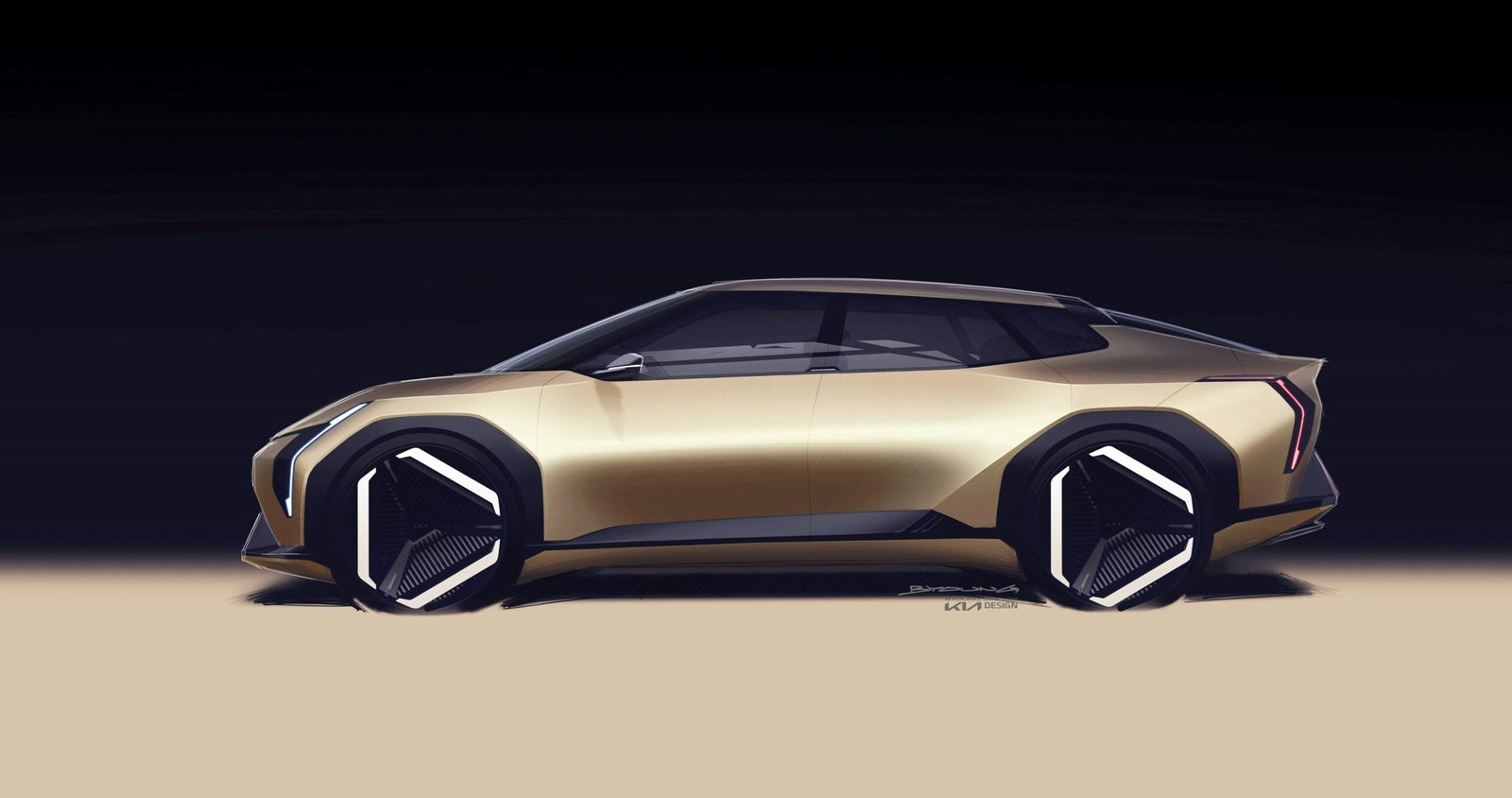
Technological Advancements in Electric Vehicle Design
The electric vehicle (EV) industry has witnessed significant technological advancements that redefine the landscape of sustainable transportation. Central to these innovations is battery technology, which has seen remarkable improvements in energy density, charging speed, and overall lifecycle. From lithium-ion to solid-state batteries, manufacturers are investing heavily in research and development to create energy storage solutions that extend the range and practicality of EVs. Enhanced battery performance not only reduces range anxiety among consumers but also contributes to lower overall vehicle emissions by maximizing efficiency.
Another area of notable progress is the evolution of electric drivetrains. These systems allow for smoother acceleration, decreased maintenance requirements, and the integration of regenerative braking technology, which harnesses energy that would otherwise be lost during braking. Such advancements enable EVs to operate more efficiently, while also enhancing the driving experience with instant torque delivery. Major automakers, as well as innovative startups, are constantly refining their approaches to drivetrain design, showcasing diverse configurations that suit various driving styles and preferences.
Autonomous vehicle integration represents a growing frontier in EV design. As artificial intelligence and machine learning technologies advance, they are increasingly being incorporated into electric vehicles to enhance their safety features, improve navigation, and provide a seamless user experience. Companies like Tesla and Waymo are leading the charge in this domain by deploying sophisticated self-driving capabilities that emphasize both convenience and security. Through continuous refinement of autonomous systems, the integration of these technologies will become standard, making electric vehicles more appealing to consumers.
Study cases of prominent manufacturers and pioneering startups reveal the collaborative nature of this technological evolution. Joint ventures focused on battery development and infrastructural support illustrate how the industry is collectively moving towards a more sustainable future. By fostering partnerships and embracing innovation, the electric vehicle sector is not just transforming transportation but is also addressing broader environmental issues effectively.
The Impact of Electric Vehicles on Urban Mobility
The advent of electric vehicles (EVs) is reshaping urban mobility in profound ways. Cities around the world are witnessing notable transformations as electric vehicles are incorporated into their transportation ecosystems. One of the primary benefits of EVs is their potential to alleviate traffic congestion. Electric vehicles tend to be more efficient than traditional gasoline-powered vehicles, providing a smoother ride and enabling shorter travel times during peak hours. As cities adopt policies promoting electric mobility, they can expect reduced traffic bottlenecks, leading to more fluid urban transport.
Furthermore, the environmental impact of electric vehicles cannot be overstated. EVs contribute to substantial reductions in greenhouse gas emissions and local air pollutants. As urban areas become more densely populated, the necessity for cleaner transportation options escalates. By replacing traditional combustion engine vehicles with electric alternatives, cities can improve air quality and make strides towards meeting climate goals. The uptake of electric vehicles, accompanied by a shift towards renewable energy sources, is fundamental in sculpting sustainable urban landscapes.
While the advantages are evident, integrating electric vehicles into established urban infrastructures presents challenges. Cities must confront issues related to the existing road layouts and public transport systems. Strategic planning is necessary to ensure that charging stations are adequately deployed throughout urban areas, enabling easy access for EV users. Additionally, policy initiatives such as tax incentives for electric vehicle buyers and subsidies for the construction of charging facilities play a significant role in promoting the wider adoption of electric mobility.
Real-world examples illustrate the successful integration of electric vehicles into urban settings. Cities like Amsterdam and San Francisco have embraced electric mobility through robust charging networks and comprehensive public transportation systems that include electric buses and trams. These case studies can provide valuable insights for other urban centers striving to evolve their transportation modalities. As electric vehicles continue to take center stage, their impact on urban mobility represents a notable shift towards more sustainable and efficient transit solutions.